
PCOS / PMOS a płodność: żywienie, które wspiera owulację

Jak PCOS / POMS wpływa na płodność
PCOS (PMOS) dotyczy mniej więcej jednej na dziesięć kobiet i jest najczęstszą przyczyną niepłodności związanej z nieregularną lub nieobecną owulacją. U wielu kobiet sprowadza się to do trzech powiązanych ze sobą rzeczy: owulacji, która jest nieregularna albo nie zachodzi, podwyższonego poziomu androgenów, czyli hormonów takich jak testosteron, oraz insulinooporności, w której ciało musi produkować więcej insuliny, żeby utrzymać stabilny poziom cukru. Ten nadmiar insuliny może pobudzać jajniki do produkcji większej ilości androgenów, a to z kolei zaburza owulację. To błędne koło, a odżywianie jest jednym z najskuteczniejszych sposobów, by je łagodnie przerwać.
Dlaczego przy PCOS (PMOS) odżywianie ma tak duże znaczenie


Co naprawdę pomaga (bez diet cud)
- Stabilizacja poziomu cukru: łączenie dobrej jakości węglowodanów z białkiem, błonnikiem i zdrowymi tłuszczami, żeby ograniczyć wyrzuty insuliny, które napędzają objawy PCOS (PMOS).
- Przeciwzapalny wzorzec śródziemnomorski: dużo warzyw, pełnych ziaren, roślin strączkowych, tłustych ryb, orzechów i oliwy.
- Łagodne, trwałe wsparcie masy ciała: tylko jeśli to akurat Twój temat, i zawsze bez wstydu oraz bez głodówek.
- Właściwe suplementy: w tym rozmowa o inozytolu, który według wytycznych z 2023 roku można rozważyć przy PCOS (PMOS), a także o kwasie foliowym i witaminie D w okresie prekoncepcyjnym.
- Realne nawyki: ruch, sen i wsparcie w stresie dopasowane do Twojego prawdziwego życia, a nie karny reżim.
Jak możemy pracować razem
-

Darmowa konsultacja, 15 minut
Umów bezpłatnieSpokojna rozmowa bez zobowiązań. Poznamy się, opowiesz mi, w którym miejscu jesteś, a ja powiem Ci, jak mogę pomóc.
-

Konsultacja indywidualna
Umów wizytęDokładne omówienie Twojego zdrowia, cyklu i celów, zakończone spersonalizowanym planem na start.
-

Konsultacja dla pary
Umów dla paryPrzygotujcie się razem, bo oboje macie znaczenie. Plan dla Was dwojga.
-

Stała współpraca i plan żywieniowy
Dowiedz się więcejOpieka miesiąc po miesiącu i plan dopasowany do Twojego stylu życia oraz zdrowia.


Jak mogę Ci pomóc
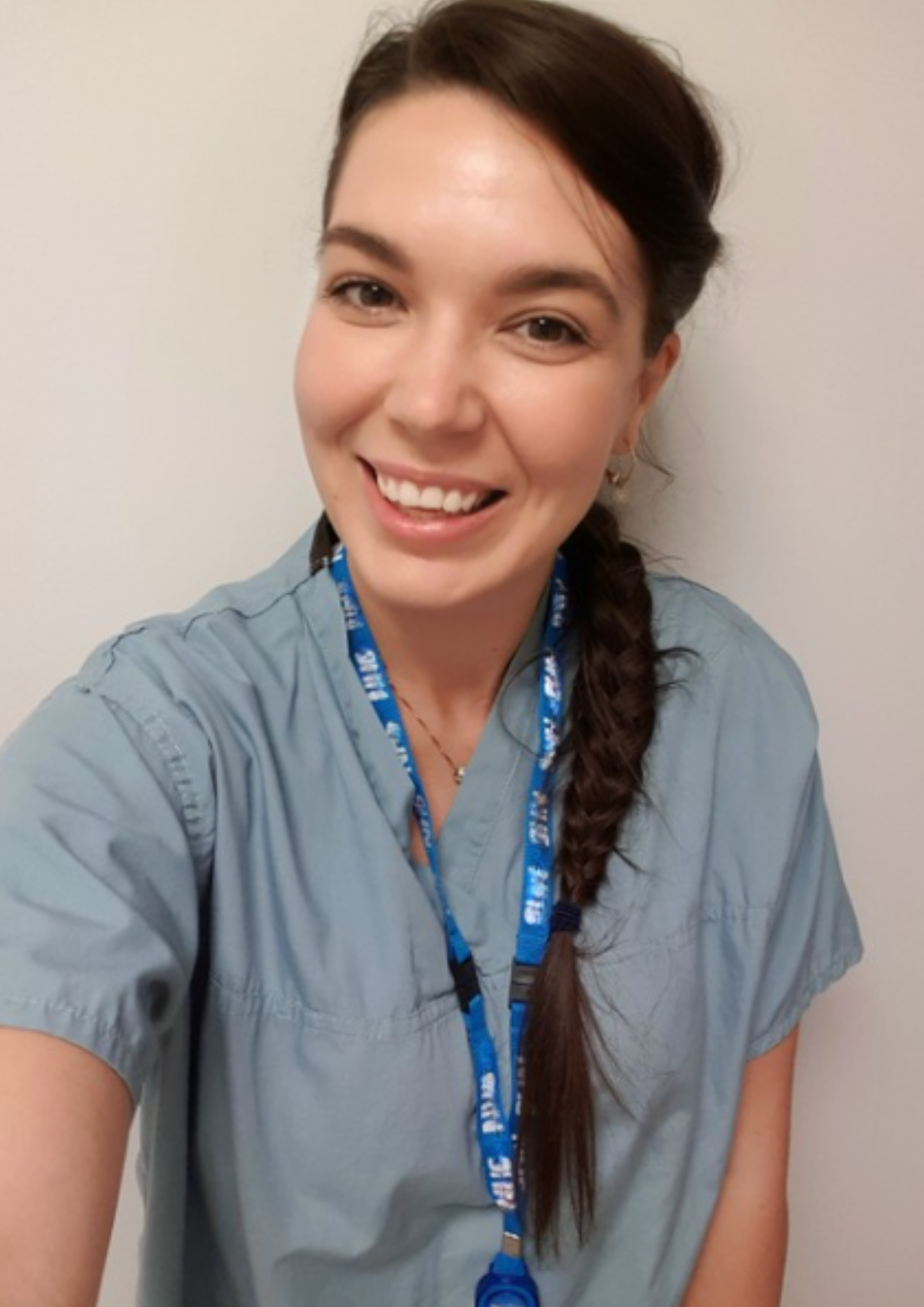
Patrzę na całość: Twój cykl, objawy, wyniki badań, diagnozy i prawdziwą codzienność. Razem budujemy plan prekoncepcyjny, który naprawdę da się wdrożyć. Pracuję razem z Twoim lekarzem rodzinnym i zespołem leczenia niepłodności, nigdy zamiast nich. Leczenie farmakologiczne, w tym leki stymulujące owulację, przepisuje Twój lekarz, a ja zajmuję się stroną żywieniową i stylem życia, dzięki którym reszta działa lepiej. Wszystko online, po polsku lub angielsku.
Ta strona jest częścią mojego szerszego wsparcia w zakresie żywienia dla płodności i przygotowania do ciąży. Jeśli partner stara się razem z Tobą, mam konsultację dla pary stworzoną właśnie do tego.

To dla Ciebie, jeśli…
- Masz PCOS (PMOS) i starasz się o dziecko, teraz albo wkrótce
- Masz nieregularne miesiączki lub ich brak i chcesz wesprzeć owulację
- Usłyszałaś, że masz insulinooporność
- Przygotowujesz się do in vitro, inseminacji lub stymulacji owulacji
- Czujesz się przytłoczona sprzecznymi radami o PCOS w internecie
Inne obszary, w których pomagam
-

Endometrioza
Zobacz więcejZłagodź objawy i wesprzyj ciało jedzeniem, w podejściu przeciwzapalnym zbudowanym wokół Twojej codzienności.
-

Przygotowanie do ciąży
Zobacz więcejPrzygotuj ciało w miesiącach poprzedzających poczęcie, spokojnie i w oparciu o dowody, razem z partnerem.
-

Jakość komórek jajowych
Zobacz więcejWesprzyj zdrowie komórek jajowych w miesiącach poprzedzających poczęcie. Bez mody, bez fałszywych obietnic.
-


