
Nutrition and IVF: How Nutrition Can Support You

How nutrition fits into your IVF journey
IVF is a medical process led entirely by your fertility team. Your protocol, your medication and every procedure belong with your doctors, and I would never step into that. Nutrition sits quietly around the edges, supporting the environment your body is working in. Eggs take roughly three months to mature before they're collected, so the weeks and months leading up to a cycle are a window where your overall health and eating pattern may play a supporting role. I want to be clear and kind about this: if a cycle doesn't work, it is not because of your diet. So many things are outside anyone's control, and I never want you carrying guilt that isn't yours to hold.
Why nutrition matters


What actually helps (not fads)
- A Mediterranean-style pattern. Plenty of colourful vegetables, fruit, whole grains, legumes, olive oil and oily fish. This is the eating pattern with the strongest fertility evidence and a sensible base while you go through IVF (dietary patterns meta-analysis).
- Steady blood sugar and a realistic weight. Both a very low and a high BMI, and unstable blood sugar, can make IVF harder, so gentle, sustainable balance tends to help more than any extreme (NICE fertility guideline).
- Easing back on alcohol, excess caffeine and trans fats. NICE notes that caffeine and alcohol can reduce assisted-reproduction success, so cutting down is a kind, practical step (NICE fertility guideline).
Ways to work with me
-

Free 15-minute consultation
Book freeA relaxed, no-pressure chat so we can meet, talk through where you are, and plan your goals.
-

One-to-one consultation
Book nowA deep-dive into your health, cycle and goals, with your personalised starting plan.
-

Couples fertility consultation
Book togetherPrepare together, because both partners matter, with a plan for the two of you.
-

Ongoing support & nutrition plan
Learn moreMonth-to-month guidance and a bespoke plan for your body and conditions.


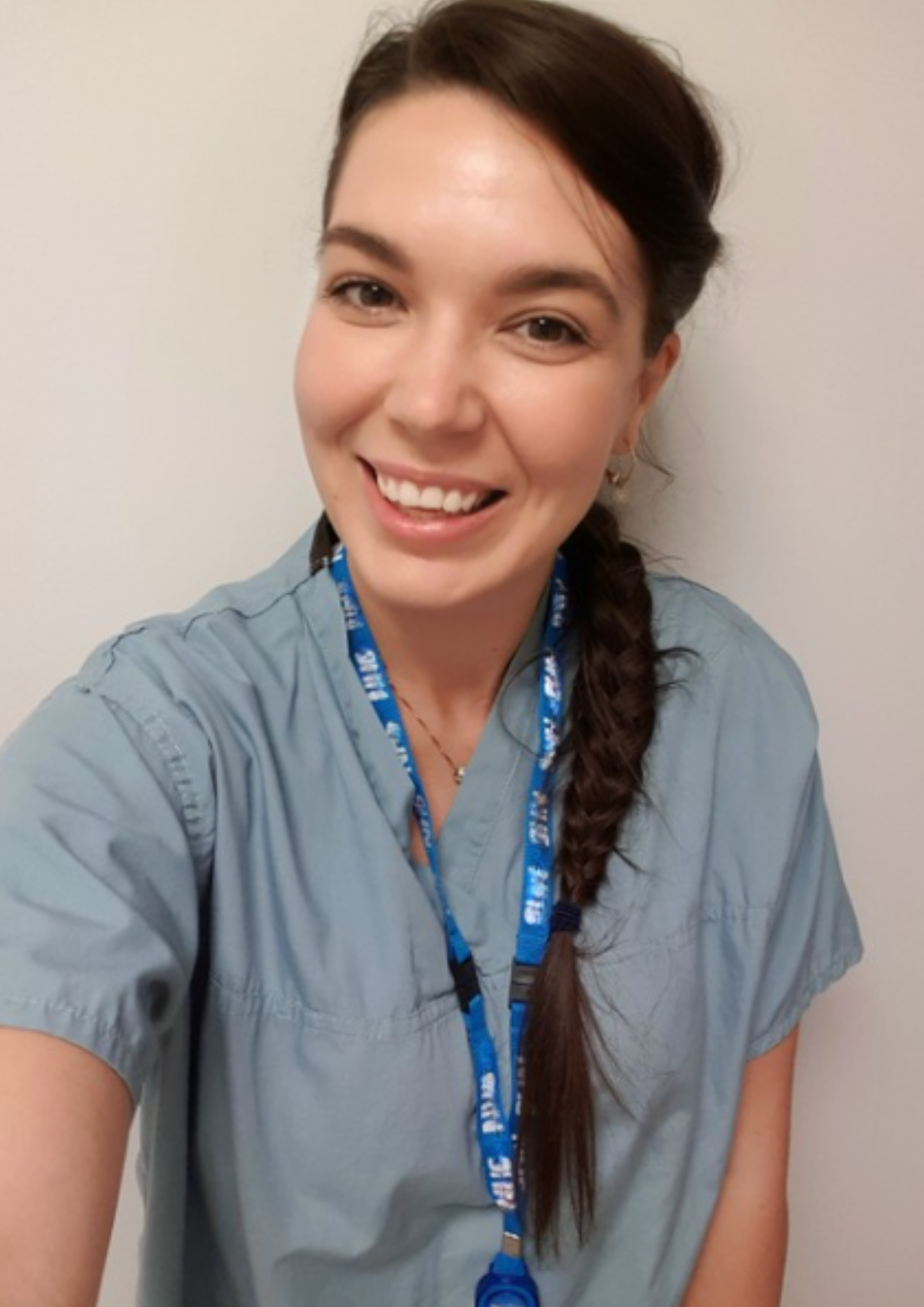
How I can help you
I look at your whole picture, your history, any diagnoses, your blood results and your very real everyday life, and together we build something calm and doable. I workalongsideyour fertility clinic, never instead of it. Your consultant leads the treatment, and I focus on the nutrition and lifestyle side that helps everything else feel a little more supported. I know IVF can be exhausting, so my plans are gentle and flexible, never one more thing to fail at. Everything is online, in English or Polish.
This page is part of my wider fertility & preconception nutrition support. If your partner is involved too, my couples consultation is designed for exactly that.

This is for you if you
- Are preparing for an IVF or ICSI cycle and want your body well supported
- Have been through a cycle before and want to feel more grounded this time
- Feel overwhelmed by conflicting "IVF diet" advice online
- Want realistic, judgement-free nutrition that works with your clinic
- Are looking after your wellbeing through an emotionally heavy process
Other areas I support
-

Endometriosis
Learn moreEase symptoms and support your body through food, with an anti-inflammatory approach built around your real life.
-

Preparing for pregnancy
Learn morePrepare your body in the months before conception, with calm, evidence-based nutrition for you and your partner.
-

Egg quality
Learn moreSupport your egg health in the months before conception through food: no fads, no false promises.
-

IVF
Learn moreGentle, realistic nutrition alongside your fertility clinic to support your body through IVF, never extra pressure.


