
Egg Quality and Fertility: How Nutrition Can Support You

How egg quality affects fertility
You're born with all the eggs you'll ever have, and both their number and quality naturally decline with age, most noticeably from the mid-thirties onwards. "Egg quality" really means how healthy an egg is at a cellular level, especially its mitochondria (the tiny energy engines) and its chromosomes, because that influences whether it can fertilise and develop into a healthy embryo. Age is the single biggest factor here, and I'll always be straight with you about that. But an egg takes roughly three months to grow and mature before ovulation, and that maturation window is a stage where your overall health, and yes, your nutrition, may play a supporting role.
Why nutrition matters


What actually helps (not fads)
- A Mediterranean, antioxidant-rich pattern. Plenty of colourful vegetables, fruit, whole grains, legumes, olive oil and oily fish. This pattern has the strongest fertility evidence and naturally provides the antioxidants (vitamins C and E, polyphenols) that support cells against oxidative stress (dietary patterns review).
- Fewer trans fats and ultra-processed foods. Higher trans fat intake has been linked with a greater risk of ovulatory infertility, so gently reducing them is a sensible step (dietary fats and ovulatory infertility).
Ways to work with me
-

Free 15-minute consultation
Book freeA relaxed, no-pressure chat so we can meet, talk through where you are, and plan your goals.
-

One-to-one consultation
Book nowA deep-dive into your health, cycle and goals, with your personalised starting plan.
-

Couples fertility consultation
Book togetherPrepare together, because both partners matter, with a plan for the two of you.
-

Ongoing support & nutrition plan
Learn moreMonth-to-month guidance and a bespoke plan for your body and conditions.


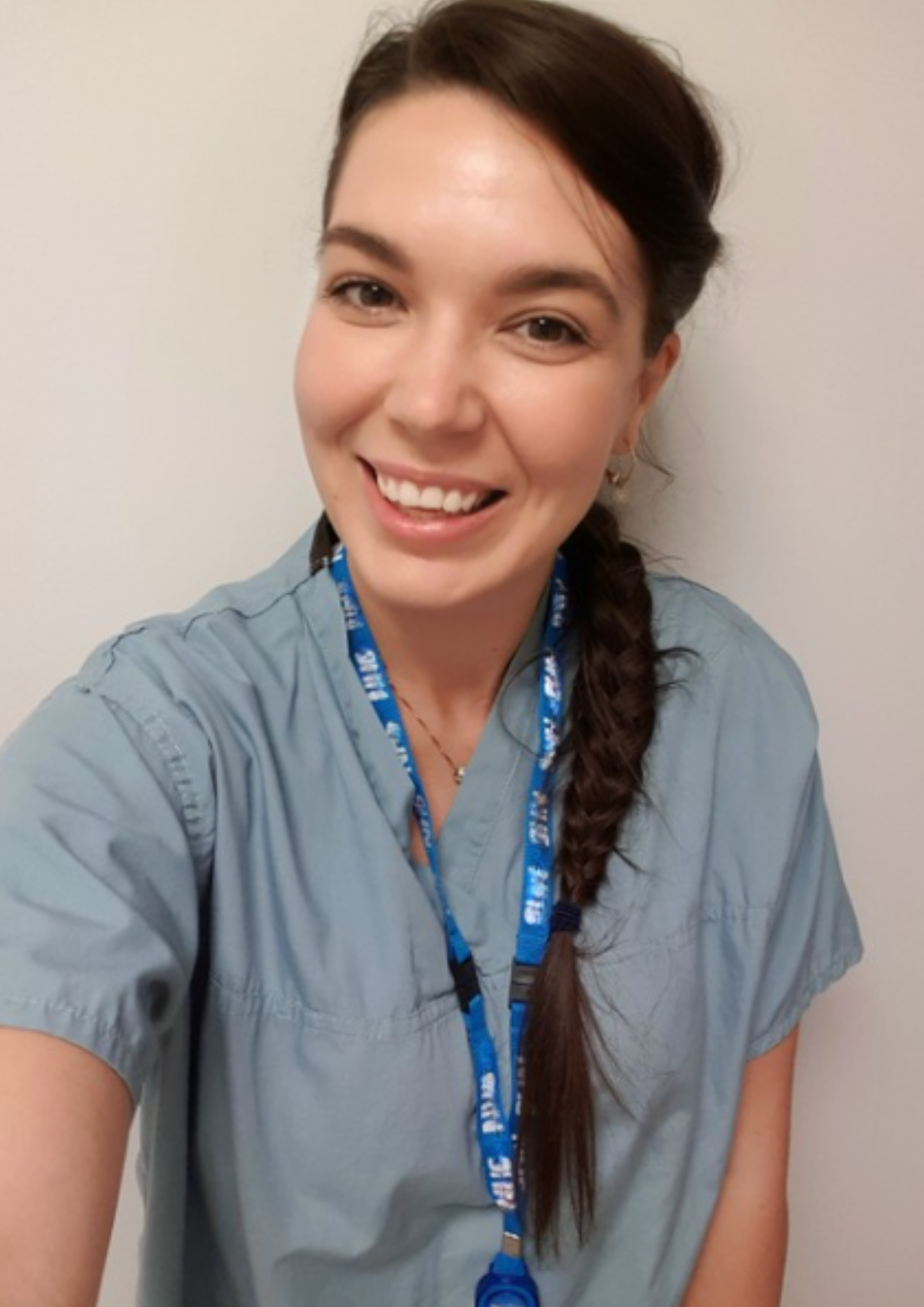
How I can help you
I look at your whole picture, your age, any diagnoses, your blood results, your cycle and your real everyday life, and together we build a plan you can actually follow. I work alongside your GP and fertility team, never instead of them. Any medical treatment, testing or assisted reproduction (IVF/ICSI) is led by your doctors, and I focus on the nutrition and lifestyle side that helps everything else work harder for you. Everything is online, in English or Polish.
This page is part of my wider fertility & preconception nutrition support. If your partner is involved too, my couples consultation is designed for exactly that.

This is for you if you
- Are trying to conceive and want to support your egg health through nutrition
- Are over 35 or have been told you have reduced ovarian reserve
- Are preparing for IVF or egg freezing and want your body ready
- Feel overwhelmed by conflicting supplement and "egg quality diet" advice online
- Want a calm, evidence-based plan that works with your medical care
Other areas I support
-

Endometriosis
Learn moreEase symptoms and support your body through food, with an anti-inflammatory approach built around your real life.
-

PCOS
Learn moreBalance your blood sugar, support your hormones and work with your cycle: no restriction, no guilt.
-

Egg quality
Learn moreSupport your egg health in the months before conception through food: no fads, no false promises.
-

IVF
Learn moreGentle, realistic nutrition alongside your fertility clinic to support your body through IVF, never extra pressure.


