
PCOS (PMOS) and Fertility: Nutrition That Supports Ovulation

How PCOS (PMOS) affects fertility
PCOS (PMOS) affects roughly 1 in 10 women, and it's the leading cause of infertility related to irregular or absent ovulation. For many women it comes down to three connected things: ovulation that's irregular or doesn't happen, higher levels of androgens (hormones like testosterone), and insulin resistance: where the body has to produce more insulin to keep blood sugar steady. That extra insulin can push the ovaries to make more androgens, which in turn disrupts ovulation. It's a cycle, and nutrition is one of the most effective ways to gently interrupt it.
Why nutrition matters so much with PCOS (PMOS)


What actually helps (not fads)
- Steadying your blood sugar: pairing quality carbohydrates with protein, fibre and healthy fats to reduce the insulin spikes that drive PCOS (PMOS) symptoms.
- An anti-inflammatory, Mediterranean-style pattern: plenty of vegetables, whole grains, legumes, oily fish, nuts and olive oil.
- Gentle, sustainable weight support : only if it's relevant for you, and always without shame or crash dieting.
- The right supplements: including a conversation about inositol, which the 2023 guideline says may be considered in PCOS (PMOS), alongside folic acid and vitamin D for preconception.
- Realistic habits: movement, sleep and stress support that fit your actual life, not a punishing regime.
Ways to work with me
-

Free 15-minute consultation
Book freeA relaxed, no-pressure chat so we can meet, talk through where you are, and plan your goals.
-

One-to-one consultation
Book nowA deep-dive into your health, cycle and goals, with your personalised starting plan.
-

Couples fertility consultation
Book togetherPrepare together, because both partners matter, with a plan for the two of you.
-

Ongoing support & nutrition plan
Learn moreMonth-to-month guidance and a bespoke plan for your body and conditions.


How I can help you
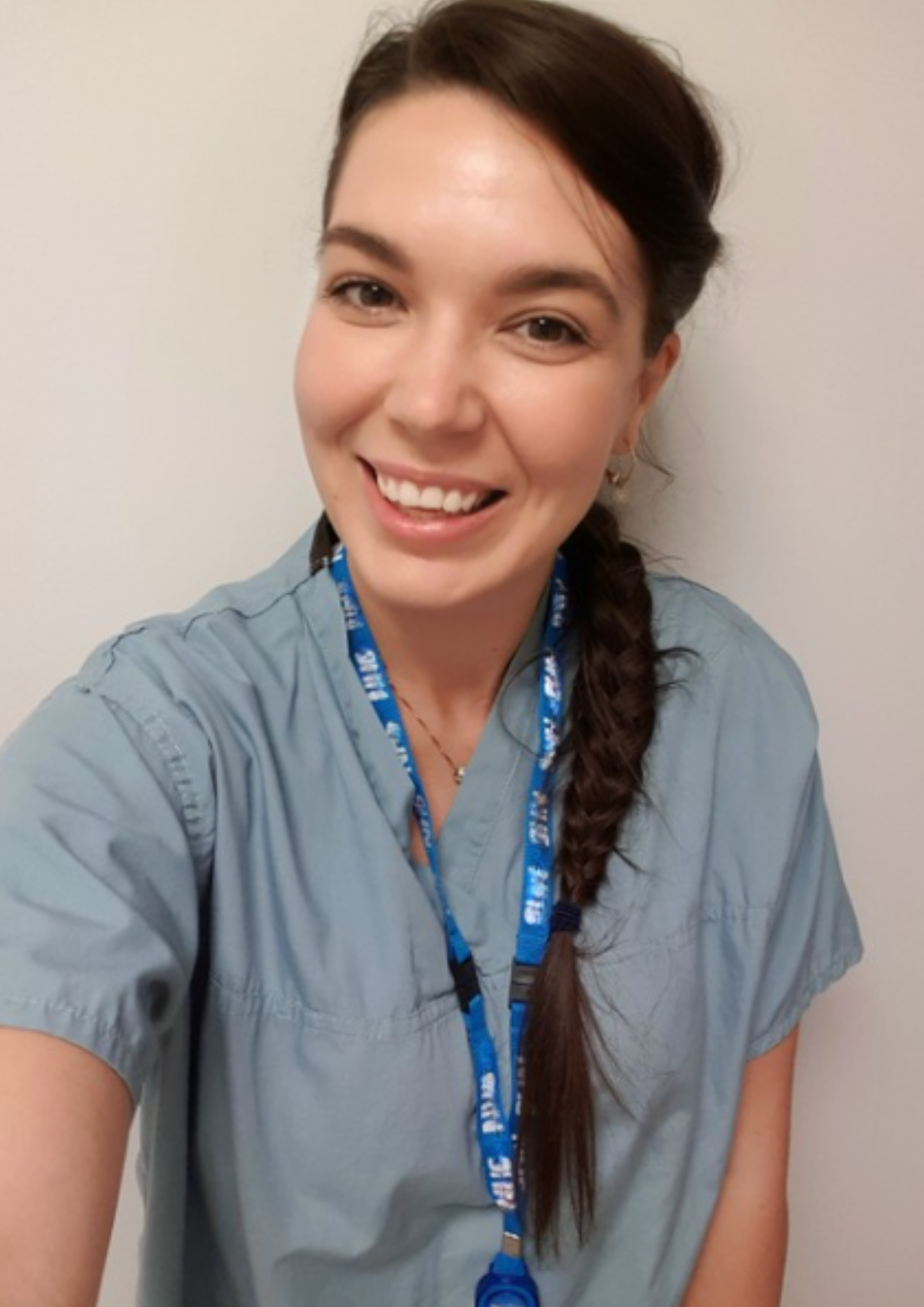
I look at your whole picture: your cycle, symptoms, blood results, any diagnoses and your real everyday life, and we build a preconception plan you can genuinely follow. I work alongside your GP and fertility team, not instead of them: medical treatments such as ovulation-induction medication are prescribed by your doctor, and I focus on the nutrition and lifestyle side that makes everything else work harder for you. Everything is online, in English or Polish.
This page is part of my wider fertility & preconception nutrition support. If your partner is involved too, my couples consultation is designed for exactly that.

This is for you if you
- Have PCOS (PMOS) and are trying to conceive, now or soon
- Have irregular or absent periods and want to support ovulation
- Have been told you have insulin resistance
- Are preparing for IVF, IUI or ovulation-induction treatment
- Feel overwhelmed by conflicting PCOS (PMOS) advice online
Other areas I support
-

Endometriosis
Learn moreEase symptoms and support your body through food, with an anti-inflammatory approach built around your real life.
-

Preparing for pregnancy
Learn morePrepare your body in the months before conception, with calm, evidence-based nutrition for you and your partner.
-

Egg quality
Learn moreSupport your egg health in the months before conception through food: no fads, no false promises.
-

IVF
Learn moreGentle, realistic nutrition alongside your fertility clinic to support your body through IVF, never extra pressure.


